Beyond the Architecture: National Centre for the Performing Arts (NCPA Beijing), a Cultural Engine

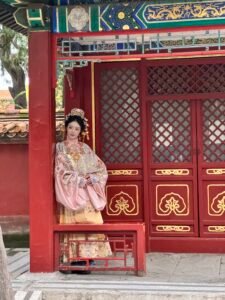
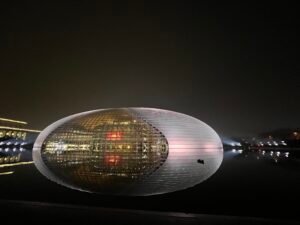
The National Centre for the Performing Arts (NCPA) in Beijing illuminated at night, reflecting beautifully on the surrounding artificial lake.

In the heart of Beijing, where the rigid geometry of the Great Hall of the People meets the ancient gravity of the Forbidden City, rests a shimmering, titanium-and-glass anomaly. Officially known as the National Centre for the Performing Arts (NCPA Beijing), but affectionately called “The Big Eggshell” (大蛋壳) or simply “The Giant Egg” by locals, […]

Beyond the Architecture: National Centre for the Performing Arts (NCPA Beijing), a Cultural Engine Read More »
Shengfu Xiaoguan Market: Between Tradition, Everyday Life, and Change

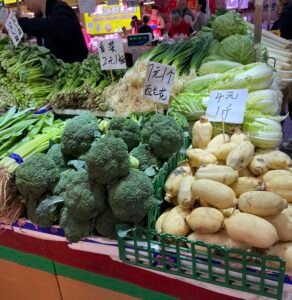
Fresh vegetables including broccoli, cabbage, and lotus roots with handwritten price tags at Shengfu Xiaoguan Market in Beijing.

Beijing awakens once again to a rhythm of voices, clinking sounds, and various scents. But today, the focus is on the Shengfu Xiaoguan fresh market, which has been supplying Beijing residents with everything they need for their kitchens since 6 a.m. There is also plenty to discover in the surrounding park: senior citizens sing together

Shengfu Xiaoguan Market: Between Tradition, Everyday Life, and Change Read More »

Laba Festival: A Bowl of Porridge, a Bite of Garlic — Spring Festival Is on the Way

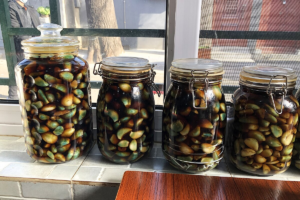
Glass jars filled with traditional green Laba garlic soaking in vinegar for the Chinese Laba Festival.

In China, when people hear “Laba Festival,” many of them immediately have one feeling: the Spring Festival is not far away. The Laba Festival falls on the eighth day of the twelfth month in the lunar calendar. “La” refers to the twelfth lunar month, and “ba” means the eighth day, which is how the festival

Laba Festival: A Bowl of Porridge, a Bite of Garlic — Spring Festival Is on the Way Read More »

Chinese and German: Distant Relatives?

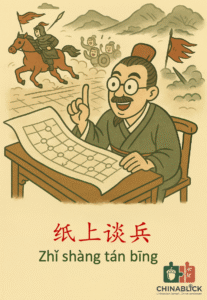
Text 1 2 300x292

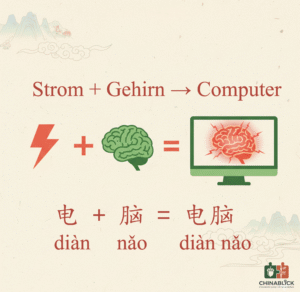
When many people hear the word “Chinese,” their first reaction is often: Way too hard! Totally different! But is that really true? Look a little closer — and you’ll find that German and Chinese actually share some surprising similarities. For instance, both languages follow the same word order: Subject + Verb + Object. Plus, the joy of compound words brings them even closer together! Discover how these two seemingly distant languages are more alike than you think, and unlock the fascinating world of Chinese with just a few simple phrases. Ready to dive in?

Chinese and German: Distant Relatives? Read More »

Scroll to Top