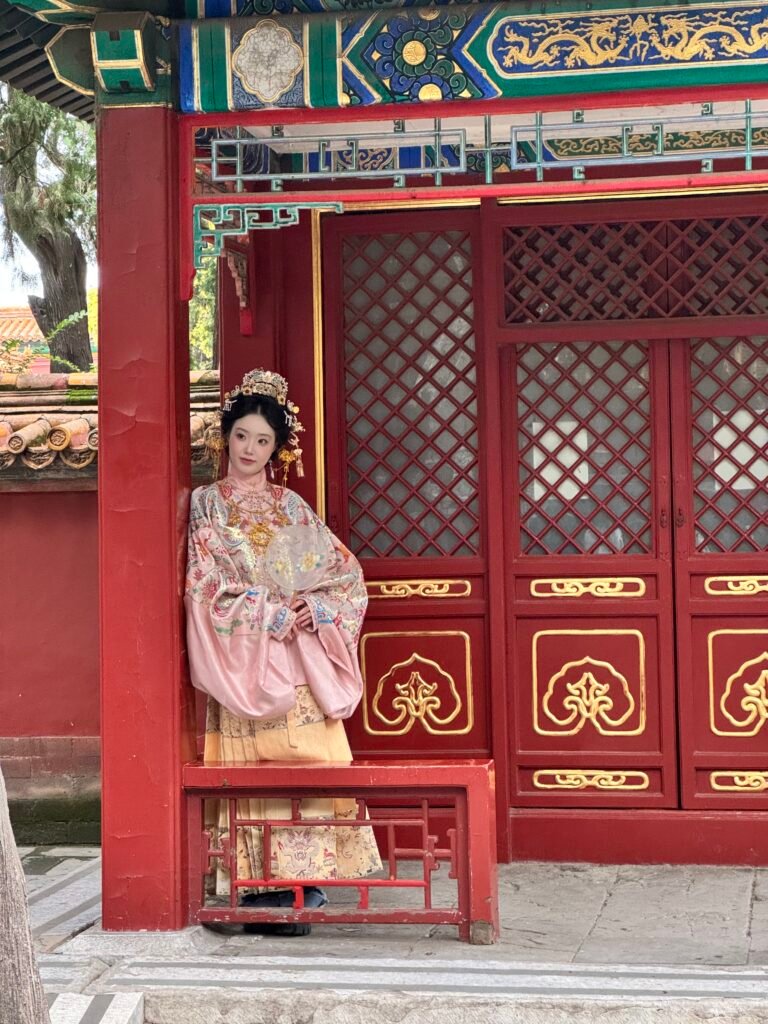
In China, when people hear “Laba Festival,” many of them immediately have one feeling: the Spring Festival is not far away.
The Laba Festival falls on the eighth day of the twelfth month in the lunar calendar. “La” refers to the twelfth lunar month, and “ba” means the eighth day, which is how the festival gets its name. Although it is not a public holiday, it is an important moment in everyday life for many Chinese people. There is a common saying: Once Laba is over, the New Year has already begun.
From the Laba Festival onward, the weather gets colder, and the feeling of the New Year slowly starts to appear. Some people begin cleaning their homes, others start buying New Year’s goods. The Spring Festival is already on its way.
Where Does the Laba Festival Come From?
The Laba Festival has a long history. In ancient times, people honored their ancestors on this day, thanked them for the year’s harvest, and wished for peace and health in the coming year. Later, Buddhism also became connected to the festival. According to tradition, Sakyamuni became enlightened on this day, and temples would cook porridge and give it to people. Over time, the Laba Festival became closely associated with food.
What Do People Eat on the Laba Festival?

When it comes to the Laba Festival, the most important food is, of course, Laba porridge.
Laba porridge is not an ordinary bowl of porridge. It usually contains rice, millet, red beans, mung beans, peanuts, and red dates. Some families also add dried longan or raisins. Every family makes it a little differently, but one thing is always the same: a hot bowl of porridge feels warm and comforting. On a cold winter morning, drinking Laba porridge warms both the body and the heart.
In northern China, there is another “star” food of the Laba Festival: Laba garlic.
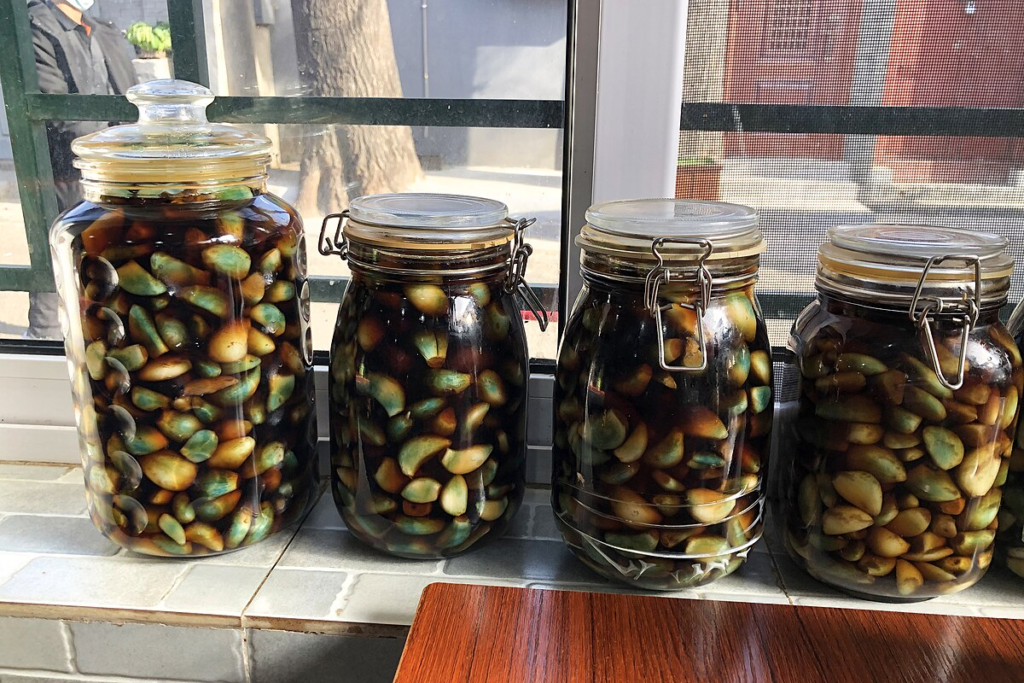
Laba garlic is made by soaking garlic in vinegar. After a few days, the garlic turns green. Many people seeing it for the first time ask, “Can this still be eaten?” The answer is yes — and it is delicious. When eaten with dumplings, Laba garlic is sour, fragrant, and not greasy at all. Many people say that winter feels incomplete without it.
The Warm Feeling of the Laba Festival
The Laba Festival is not noisy or lively, but it is warm. On this day, many people send messages to their family or friends, saying, “It’s the Laba Festival today. Don’t forget to have some Laba porridge.”
A bowl of porridge, a bite of garlic. They may seem like small things, but they remind everyone of one simple fact: the year is coming to an end, and the Spring Festival is truly not far away.