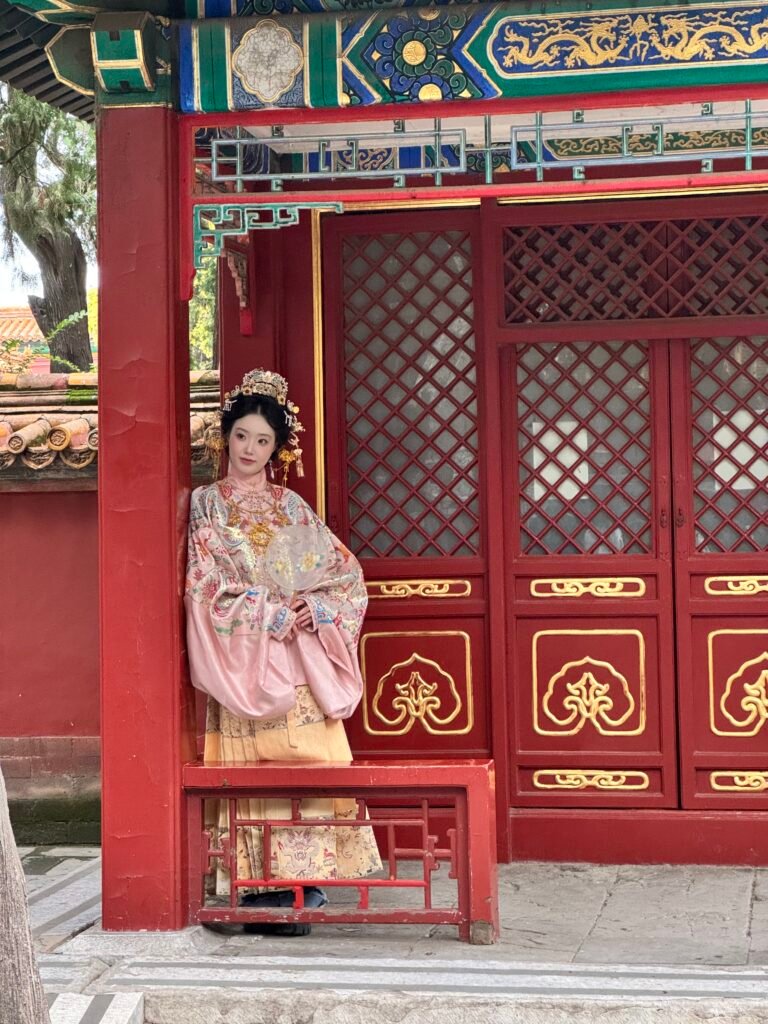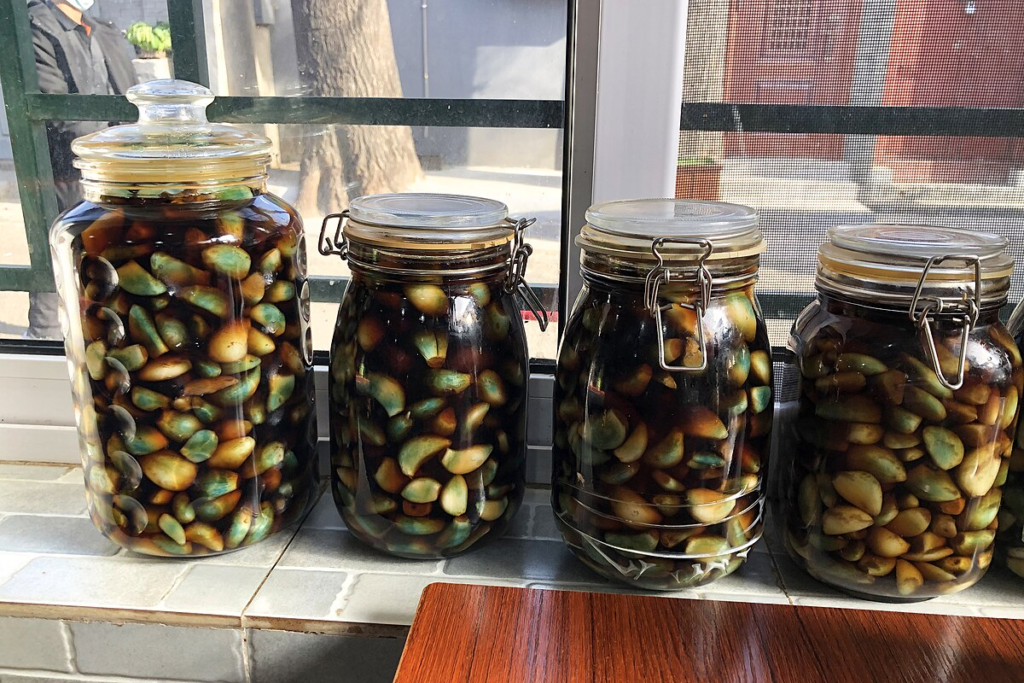
It’s autumn in Beijing. After a few beautiful days with sunshine and pleasant air, the gray, polluted days inevitably return. On these days, I have an irresistible urge to order food via an app – a habit shared by almost every resident in Beijing, from high-rise offices to private homes.
The Lifeblood of the City: Beijing Food Delivery
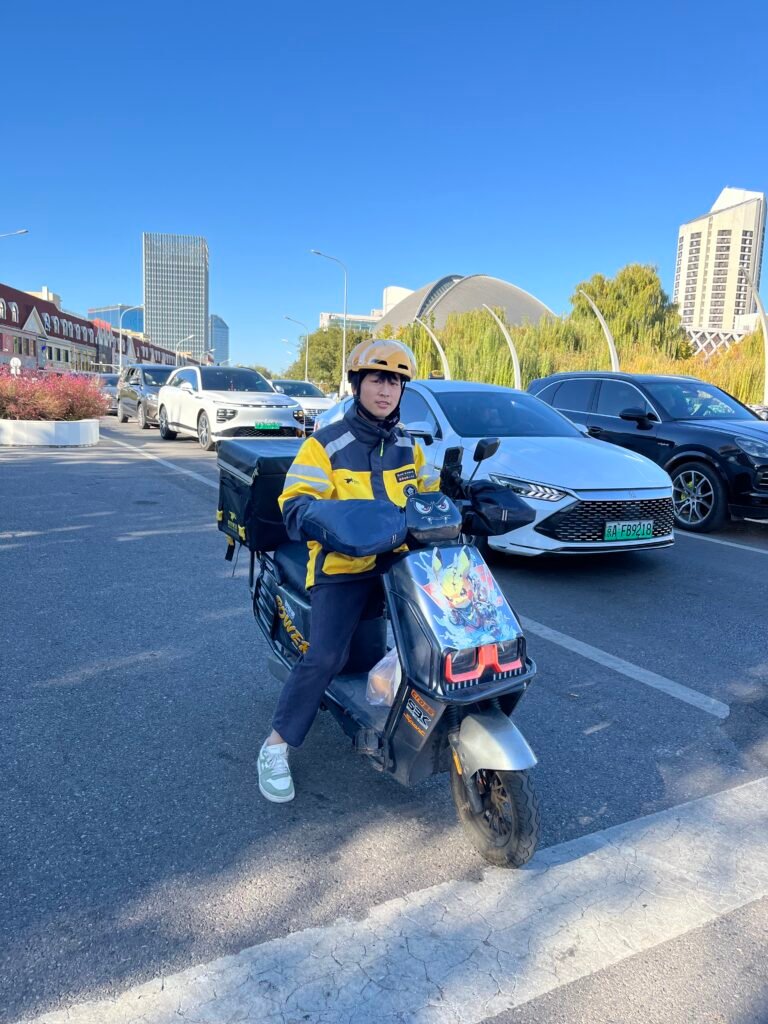
Food delivery drivers are an integral part of the cityscape. For most people – regardless of income – it is perfectly normal to order through platforms like Meituan or Ele.me for a quick breakfast, a desk lunch, or a late-night dinner.
But while customers sit comfortably on the sofa, these “swift heroes” are racing through the streets of Beijing to ensure every meal arrives on time and piping hot. They navigate complex ring roads and narrow hutongs alike, serving as the invisible circulatory system of this massive metropolis.
The True Cost of Convenience
Food delivery drivers work under constant pressure: fierce competition, high customer expectations, and the need to deliver faster and faster.
Working hours are also long, often 10 hours a day or more, in all weathers, whether summer heat, autumn rain, or winter cold. They run through the rain, battle through traffic, and breathe in the smog while others “sit it out” at home.
The Meaning of „辛苦了“ (Xīn kǔ le)
This is where the phrase „辛苦了“ (xīn kǔ le) becomes essential. It is not just a simple “thank you.” Instead, it is a heartfelt expression of appreciation for the specific effort someone has exerted.
A Small Gesture with Deep Impact
When a customer says „辛苦了,“ it becomes a meaningful bridge. It tells the delivery person: “I see how hard you work. I appreciate the effort you made to bring me this meal despite the difficulties.” It is a vital reminder that even the most “invisible” jobs have profound value.
Showing Empathy in the Modern Urban Rhythm
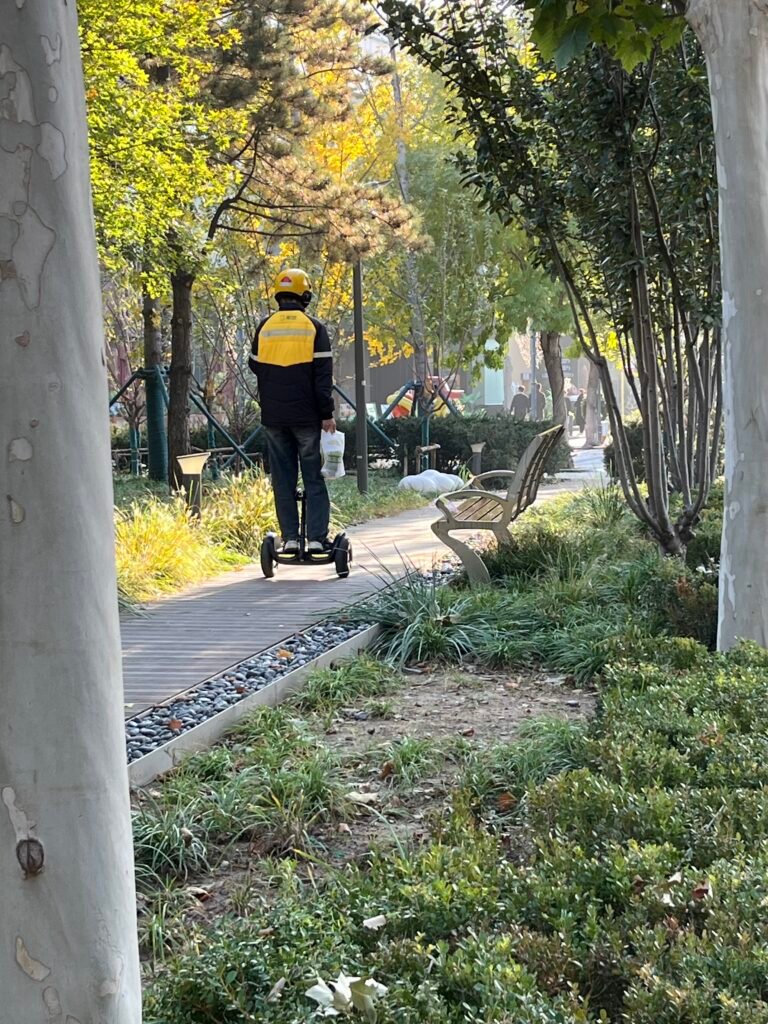
But it’s not just about the obvious hard work, it’s about acknowledging the many things that are often overlooked in the modern urban rhythm. It’s the word you say to your colleague after a long day at work when they finally go home. It’s the word you can say to the many street cleaners when they patiently wait to continue sweeping until you’ve passed by.
“辛苦了” is not only a form of politeness, but also a way of showing empathy. And it brings a big smile to the lips of a delivery person, because they didn’t expect it from a Laowai (foreigner). It signals that you are not just a visitor, but someone who truly attempts to understand the local culture and the hard work that powers it.
Explore more stories from the East: This post is part of my series on daily life and cultural nuances. Discover more authentic insights in our Life Blick China.