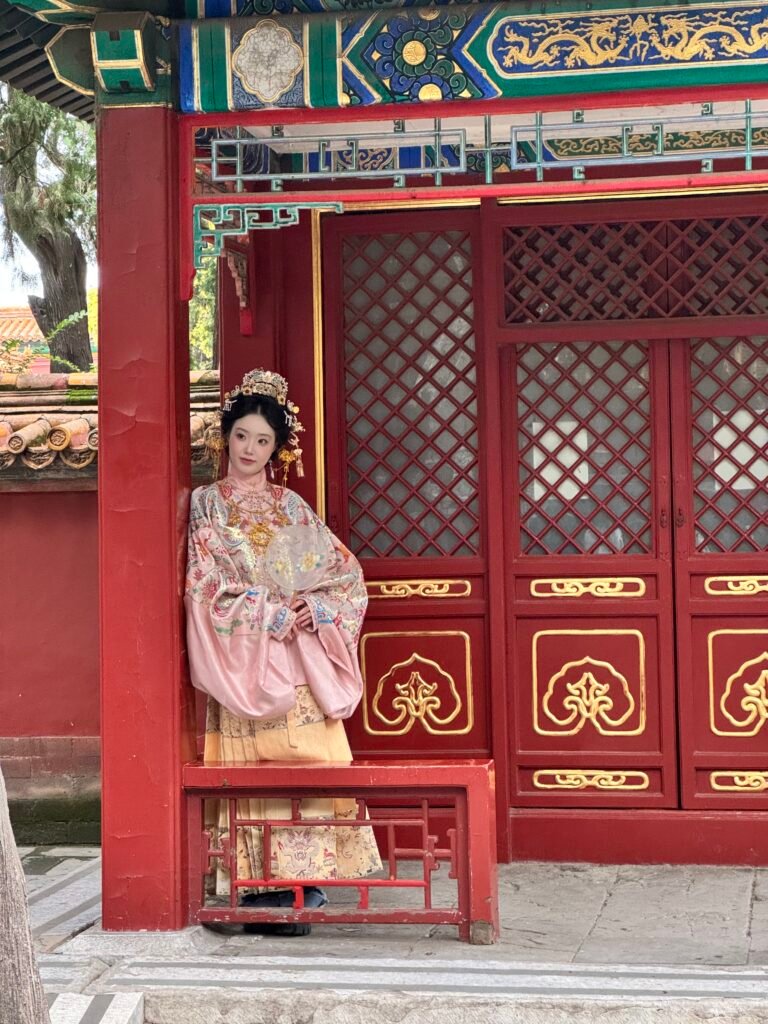
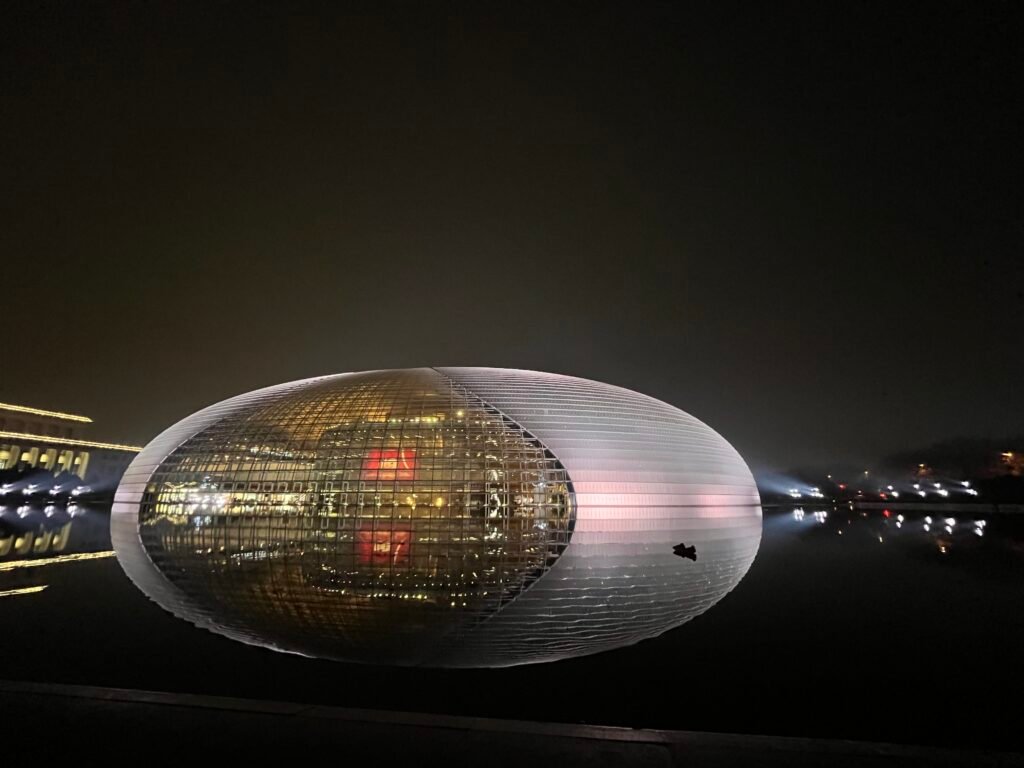
In the heart of Beijing, where the rigid geometry of the Great Hall of the People meets the ancient gravity of the Forbidden City, rests a shimmering, titanium-and-glass anomaly. Officially known as the National Centre for the Performing Arts (NCPA Beijing), but affectionately called “The Big Eggshell” (大蛋壳) or simply “The Giant Egg” by locals, this architectural marvel is more than just a theater—it is a “cultural island” that has redefined China’s artistic skyline.
The Giant Egg: A Vision in Titanium and Water
Completed in 2007, the NCPA Beijing was the visionary idea of the late French architect Paul Andreu. His design was a radical departure from the surrounding historical monuments. The structure is a vast ellipsoid dome, stretching 212 meters across and reaching 46 meters into the sky. Its surface is a mosaic of over 18,000 titanium plates and 1,200 sheets of ultra-white glass, arranged to look like a stage curtain being slowly drawn apart.
The building does not sit on solid ground but emerges from the center of a 35,500-square-meter artificial lake. To enter, visitors have to walk through a transparent underwater hall, where the shimmering light of the lake dances above their heads—a literal immersion into the world of art.
Inside the NCPA: Four Distinct Venues
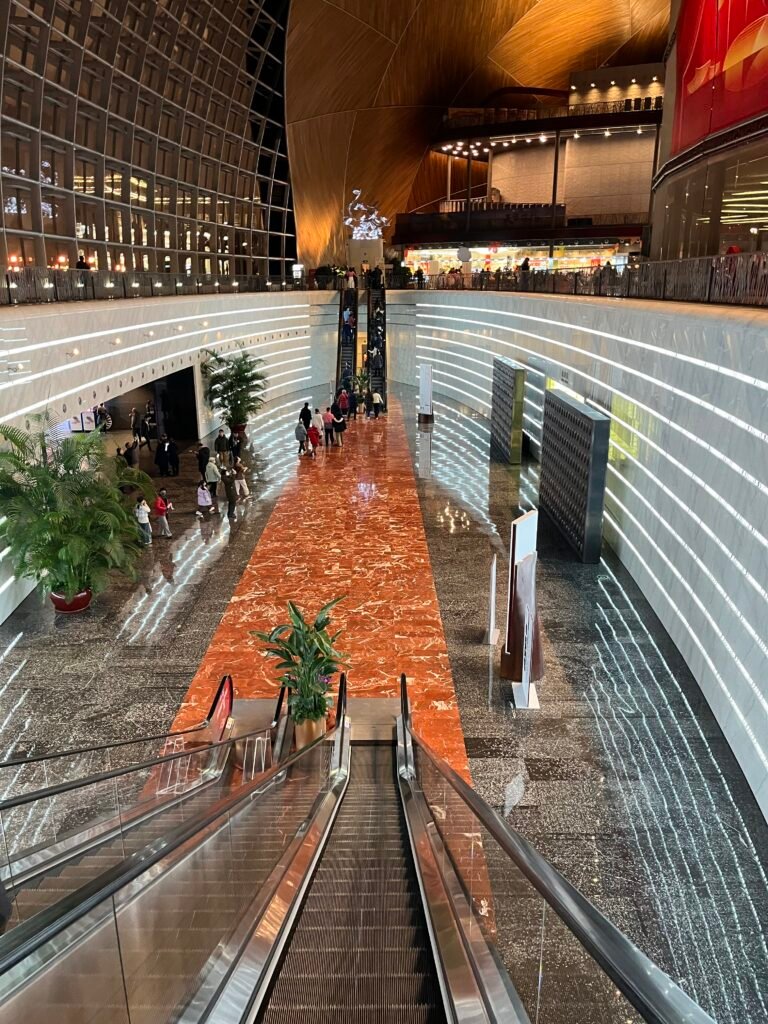
Inside, the “Egg” reveals a sprawling complex of four distinct venues, each with its own character and acoustic personality:
The Opera House
The most magnificent of the halls, bathed in a regal golden hue. With 2,207 seats, it features a state-of-the-art stage with “push-pull” technology, perfect for grand theatrical productions.
The Concert Hall
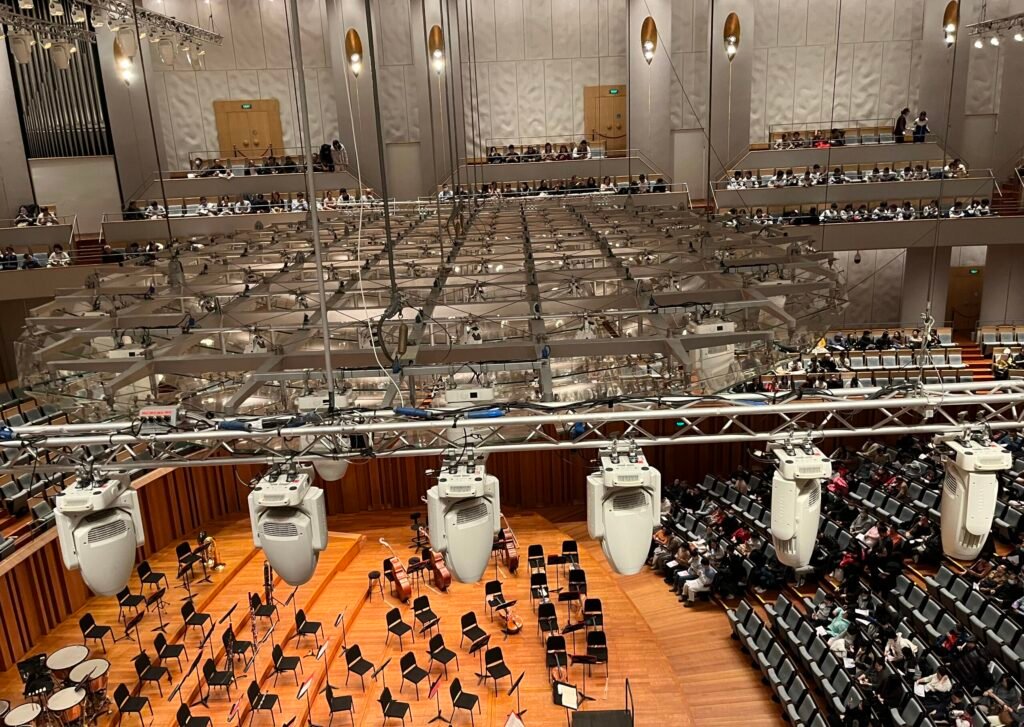
A silver-and-white sanctuary of sound. It houses the largest pipe organ in Asia—a 6,500-pipe behemoth—and a “wave-like” ceiling designed to diffuse sound perfectly for symphonies.
The Theatre
Dressed in “Chinese Red,” this space is dedicated to traditional Chinese opera and drama. The walls are lined with flameproof Zhejiang silk, blending modern fire safety with classical aesthetics.
The Multi-functional Theatre
A flexible space used for chamber music, solo recitals, and modern dance, allowing for more intimate and experimental performances.
A Public Square for the Arts
The NCPA also serves as a public square for the arts. It often turns the grand foyers into classrooms and workshops, making high art accessible to millions of citizens rather than just an elite few.
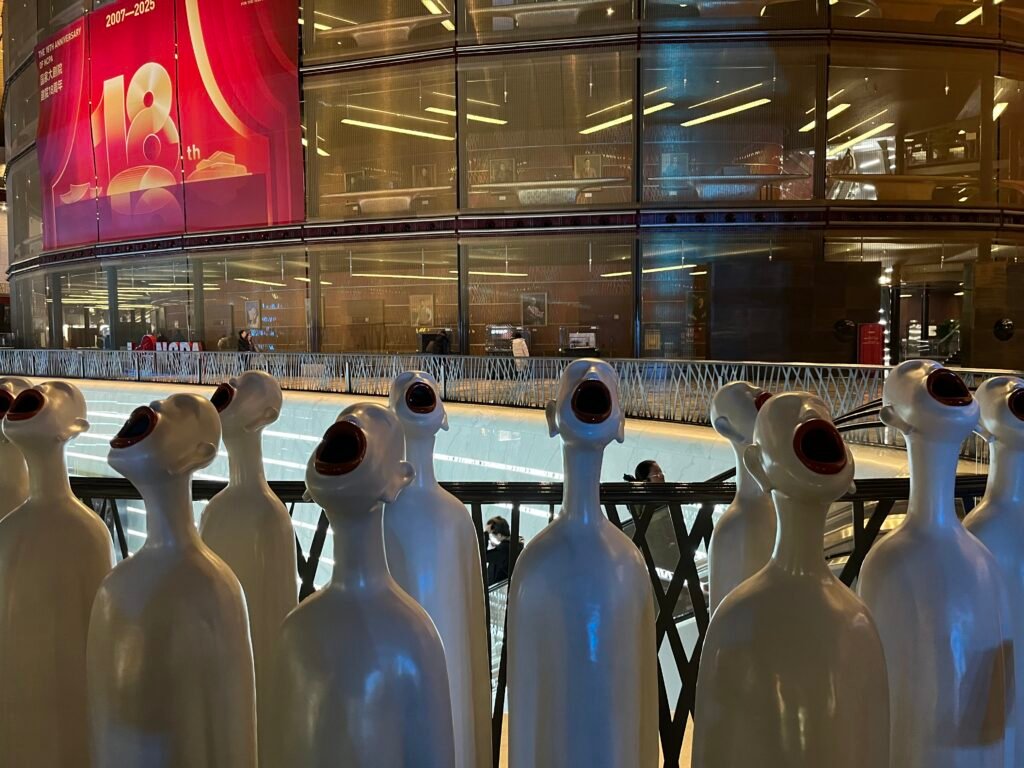
“The Beijing National Grand Theatre must be part of the fabric of the city… a new district of spectacles and dreams open to one and all.” — Paul Andreu
A Modern Legacy
Now nearing its second decade, the NCPA has silenced early critics who feared its futuristic design would clash with Beijing’s history. Instead, it has become a symbol of a China that is as comfortable with Puccini as it is with Peking Opera. As the lights reflect off the titanium shell at dusk, “The Giant Egg” stands as a testament to the idea that in the heart of power, there is always a place for the ephemeral beauty of the stage.
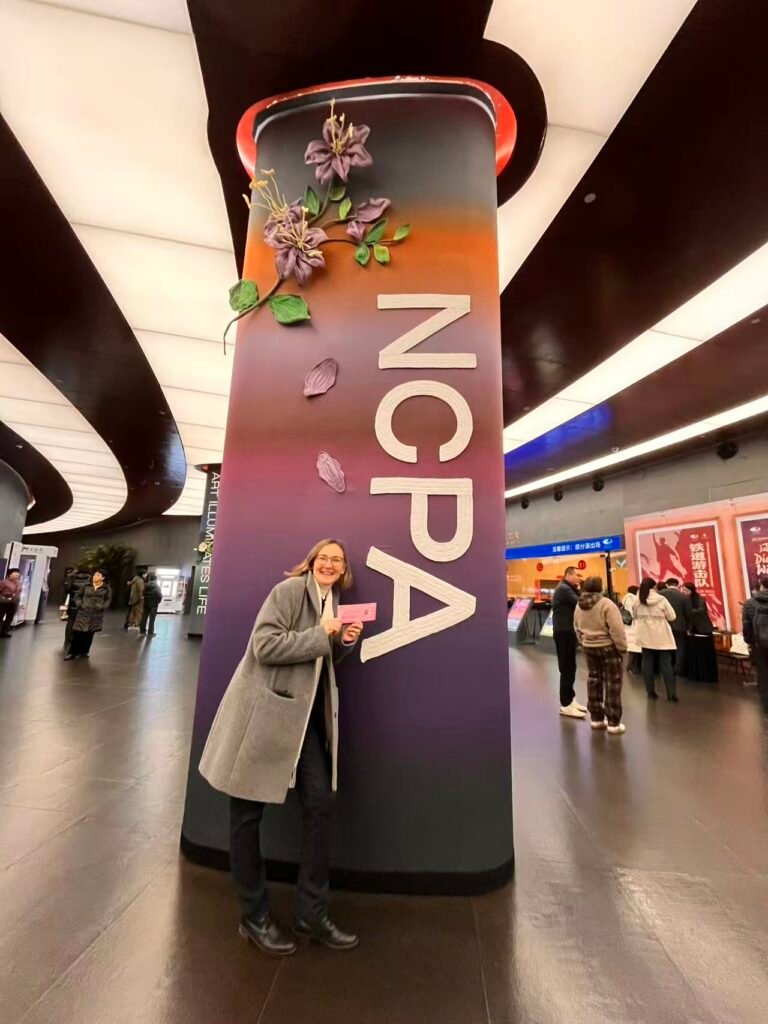
Holding my ticket and standing inside this architectural marvel, I couldn’t agree more. Whether you are here for an opera or just to admire the design, the NCPA is an unforgettable Beijing experience.